Tag Archives: trump

Who to Buy, Who to Influence For Trump Clemency – Update for May 28, 2026

We post news and comment on federal criminal justice issues, focused primarily on trial and post-conviction matters, legislative initiatives, and sentencing issues.

NAVIGATING CLEMENCY IN THE ERA OF TRUMP II

In a long New York Times magazine article, former federal prosecutor Jeffrey Toobin provides some lesser-known facts about President Trump’s clemency process, which he describes as a “quasi-royal quasi-selling of indulgences” that “has created an extraordinary free-for-all as supplicants try to make their cases in any way they can.”

What has emerged is what the article calls “a sort of common law of Trump pardons, as those who pay attention learn how to argue and to whom.”

(“Clemency” is a catchall term that includes pardons, which invalidate a criminal conviction, and commutations, which free a recipient from prison but leave intact the conviction.)

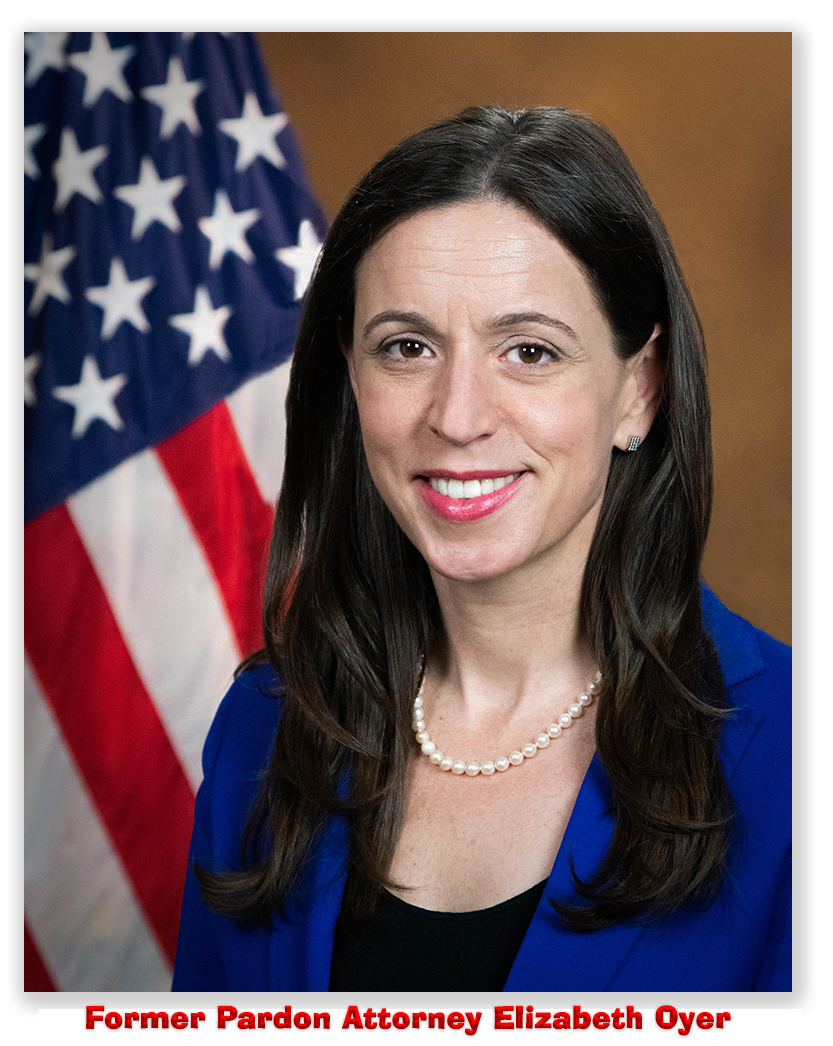
Changes in the Dept of Justice Office of Pardon Attorney (OPA) website have obscured the number of pending clemency applications, but The Times reports that a tally by Elizabeth G. Oyer, who was Pardon Attorney during the Biden administration, shows more than 20,000 clemency requests are pending now. This compares with about 5,000 at the end of the Biden term and eclipses the 18,000 on file at the end of Biden’s first year in office.

The Trump clemency process is a departure from tradition. Prior to 2025, people seeking a pardon or commutation would submit written applications to the OPA, typically an apolitical appointee. For commutations, OPA would consult with some or all of the Bureau of Prisons, the US Attorney’s Office that prosecuted the case, the judge that sentenced the petitioner, the victim, and people supporting the petition. Applications that made the cut would be sent to the White House, where a group of staff members would review the petitions. Their views were then conveyed to the president, who makes the final decision.

Pardons traditionally were not considered until the applicant had been out of prison for at least five years. Even now, OPA’s pardon application specifies that pardons are only for people who have completed their sentences. Nevertheless, favored people are being pardoned right out of active prison sentences. In some cases, pardons are granted before trials have occurred or sentences have even begun.

Toobin, author of the February 11, 2025, book, The Pardon: The Politics of Presidential Mercy, identifies the people reviewing clemency applications in the White House as While House counsel David Warrington, his deputy Sean Hayes, and White House chief of staff Susie Wiles. “The president is going to take Susie’s advice over David’s every time,” Toobin quotes a lawyer for a successful pardon applicant as having said. “David has taken the position of trying to be no-drama. He doesn’t want to cause problems, and the knives have not come out for him because he goes about his business that way.”

Trump’s Pardon Attorney, Ed Martin, has no significant criminal law experience to speak of, a fact that didn’t keep the President from nominating him to be US Attorney for the District of Columbia, one of the two highest-profile US Attorney slots in the nation. However, Martin represented a number of January 6, 2021, Capitol rioters, and his “views and conduct were so extreme that he was unconfirmable for the permanent post, even in the Republican-controlled Senate,” as Toobin put it.

Trump then named Martin Pardon Attorney, where Martin explained his clemency recommendations in a social media post as being “No MAGA left behind.” One of the first pardon applications Martin pushed through was of a longtime supporter and former Virginia sheriff named Scott Jenkins, who got a full pardon last Memorial Day,  24 hours before he was to self-surrender to serve a 120-month sentence for a federal bribery conspiracy conviction.

New York magazine reported in February that Martin is uninterested in the Pardon Attorney position and apparently appears at the office about once a week.  “He’s just not there that much,” the staffer said.

Trump created a White House position known as the pardon czar, to which he appointed Alice Marie Johnson in February 2025. During Trump’s first term, he granted clemency to Johnson for her 1996 crack conspiracy life sentence after Kim Kardashian lobbied him for the commutation. Trump later made it a full pardon when Johnson spoke in support of his candidacy at the 2020 Republican National Convention.

Johnson has said that as pardon czar, she looks for other federal inmates who were punished in a similarly excessive way and recommends them to the president for clemency.  Toobin said, “To date, Johnson’s influence seems limited. Since 2016, Trump has pardoned dozens of people convicted of white-collar crimes like fraud, but few who were, like Johnson herself, low-level participants in narcotics conspiracies.”

So how to go about clemency in the Trump era? Political influence, large contributions to Trump-backed political action committees, or even knowing the right people, all help. But for the vast majority of the 20,000 “pardon seekers, then, the question became which of the two — Martin or Johnson — offered the best route for success. According to people who have engaged in the process, the answer appears clear: neither. ‘The safe thing to do is go through the formal application process… You file the papers with Ed Martin’s office, and you make sure Alice Johnson knows it’s there. But they don’t have the power to deliver anything. They can give you a sense of how things stand, but they are not deciders.’”

In any given case, Toobin concludes, “the chaotic structure of the Trump White House might produce a different answer. Indeed, according to people who have been involved in the process, there is often a desperate search for ties, however tenuous, to any of the leading players. ‘Everyone knows Trump often listens to the last person who talked to him,” a consultant for a pardon seeker said. “So the goal is to get to as many people in the room when he’s thinking about pardons.’”

Last fall, Trump pardoned Changpeng Zhao, founder of crypto-currency network Binance. Binance has been a crucial backer of the Trump family’s crypto venture, World Liberty Financial, which has earned the Trumps at least $1.2 billion since 2024. However, last week, the Wall Street Journal reported in the runup to the current Iran conflict, Binance “made $850 million in transactions over two years” for Iran to collect on the sale of sanctioned oil.

The New York Times, How to Get a Pardon in Trump’s Washington (May 22, 2026)

DOJ, Pardon Application

Toobin, Jeffrey, The Pardon: The Politics of Presidential Mercy (February 11, 2025)

New York magazine, Trump’s Pardon Office Is ‘Totally Decimated’ The team has been virtually replaced by highly paid lobbyists and friends of the president. (February 27, 2026)

Wall Street Journal, Iran Moved Billions Through Binance to Fund Regime – Continuing Into This Month (May 21, 2026)

~ Thomas L. Root
Trump Plan to Pardon 250 on America’s 250th Is Rumored – Update for May 18, 2026

We post news and comment on federal criminal justice issues, focused primarily on trial and post-conviction matters, legislative initiatives, and sentencing issues.

250 PARDONS BY JULY 4TH?

The Wall Street Journal reported last week that White House officials are considering a plan for President Trump to issue 250 pardons in the next several months in commemoration of the USA’s 250th birthday (nominally July 4, 2026, although argument can be made for other dates).

The plan is still reportedly in preliminary discussions, and no one has said that the action would be solely pardon (the forgiveness of a conviction) as opposed to commutation of sentence  (reduction or elimination of imprisonment, fine or restitution without wiping out the underlying conviction).

Trump, himself a convicted felon (although still on appeal in New York state court), has granted clemency more than 2,000 times in his last term and so far this term. The number is only half of the clemencies granted by President Biden, who commuted the sentences of people home on the CARES Act after the incoming Trump Administration signaled that those people would be returned to prison, pardoned people convicted of marijuana possession offenses in the past (none of whom was in prison when the pardon issued), and commuted death sentences of 38 of the 40 people on federal death row (changing the sentences to life in prison without chance of release).

Trump’s clemencies, although fewer in number than Biden’s, have been more controversial. Biden caught flak for pardoning his son and his family. But Trump’s outright pardon on Inauguration Day of 1,500 January 6th rioters, followed by pardons of people connected to his movement or related to wealthy donors to his campaign, have “garnered criticism from both sides of the aisle and encouraged some high-profile candidates to openly campaign to have their convictions or alleged crimes wiped away with a signature,” the Wall Street Journal said.

Trump’s clemency policies, not to mention his appointment of Alice Marie Johnson as White House clemency czar, have resulted in a land rush of clemency petitions. About 5,100 petitions were filed in 2024. The next year, more than three times as many (about 16,150) came in.

The Dept of Justice Office of Pardon Attorney no longer reports the number of petitions currently pending. At the end of March last year, the last data available, over 10,000 petitions were pending, and that was before an additional 13,000 were received.

Meanwhile, anonymously sourced rumors abound. One is that some in the White House worry about announcing any clemency before the November midterm elections. Others predict that Trump could announce 250 “acts of mercy” on June 14, which is both Flag Day and his birthday, or on July 4. One White House official said there are always ongoing discussions about how to carry out Trump’s priorities, but no decision has been made.

St. Thomas School of Law Professor Mark Osler, a federal clemency expert, “has watched with increasing frustration as his clients’ petitions go unanswered. He described the pardon attorney as ‘a zombie office, in the sense that they’re assigning numbers to cases that come in, but it’s not clear that anything’s happening beyond that’,” according to a New Yorker article published a few weeks ago.

“Rather than receiving good or bad news for clients, Osler said, ‘you simply don’t hear. There’s no up, and there’s no down. And so, when they call from prison, or they write, I have to tell them it’s pending. But really, that means it’s being ignored’.”

Osler said that the clemencies that bother him the most are those “that have gone to the people who are fabulously wealthy. These are the people who have been advantaged by so much. With my students, we’ve told the stories of people who are fabulously poor and are being ignored.”

Wall Street Journal, White House Explores 250 Pardons to Mark America’s 250th Birthday (May 13, 2026)

Dept of Justice, Office of Pardon Attorney (May 17, 2026)

New Yorker, Donald Trump’s Pardon Economy (April 27, 2026)

~ Thomas L. Root

A “Totally Decimated” DOJ Pardon Office Sidelined by “Corrupt” Clemency Process – Update for March 2, 2026

We post news and comment on federal criminal justice issues, focused primarily on trial and post-conviction matters, legislative initiatives, and sentencing issues.

PARDON OUR MESS AT THE OFFICE OF PARDON ATTORNEY

The Dept of Justice Office of Pardon Attorney has always been rather opaque. Last week, we got a glimpse of President Trump’s OPA, and what we saw was not good.

Under the Constitution, the President holds unreviewable clemency power. However, since 1789, various government offices have provided the President with administrative support for the exercise of executive clemency. In 1865, a DOJ office was formally delegated the responsibility of assisting the President in vetting clemency petitions. It became the “Office of Pardon Attorney” in 1894. Historically, presidents have relied on OPA’s pardon review process to rely on the pardon attorney process before making pardons, but they are not required to do so.

OPA used to apply five standards for someone to be considered for clemency, including conduct since conviction, seriousness of the offense, acceptance of responsibility for the crime, the extent of punishment already suffered (especially collateral consequences), and references from other people who could attest to the applicant’s good character and rehabilitation.

Not anymore. A troubling New York magazine article last week detailed the mess that OPA has become, and the implications for federal prisoners without rich parents or powerful friends.

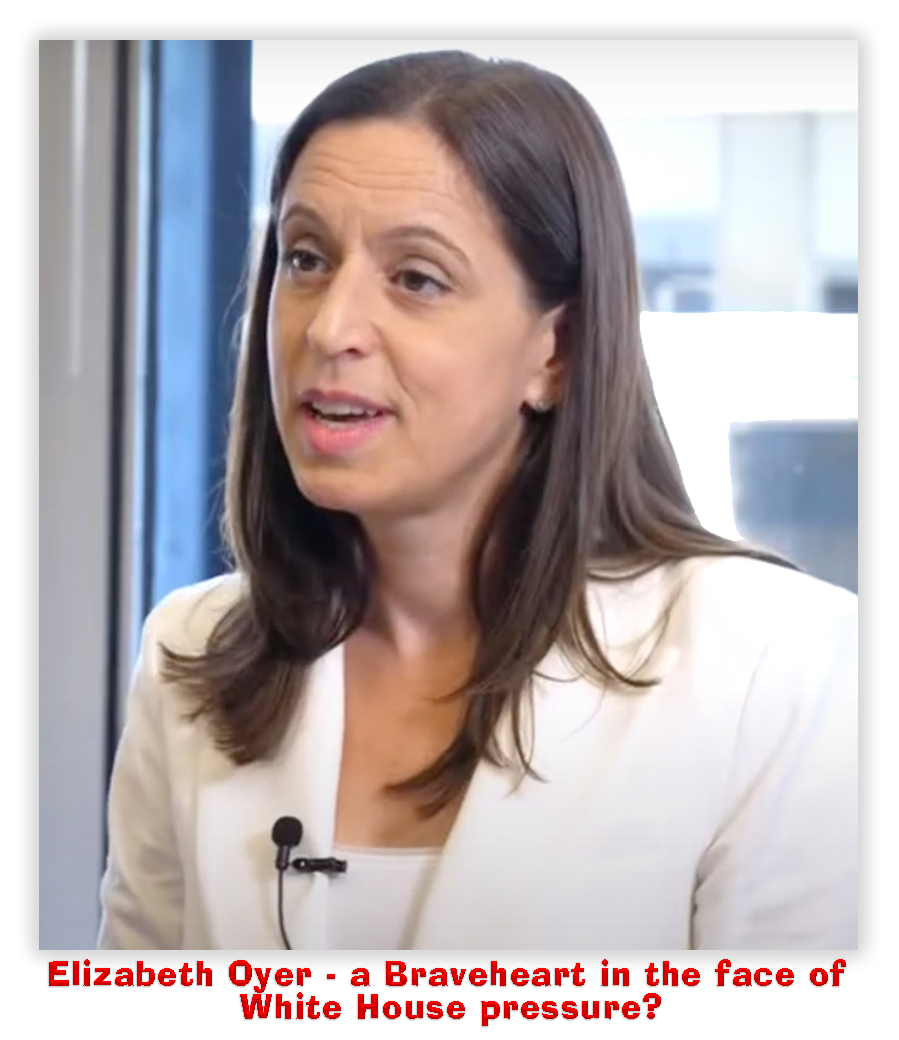
Elizabeth Oyer, who headed OPA when Trump came into office, was the first former public defender to serve as Pardon Attorney. Her staff of 45 was responsible for reviewing the cases of thousands of offenders to determine who was worthy of clemency. But within hours of President Trump taking office, “she was cut out of the process, which was rerouted from the top down.” Oyer told New York that she began learning about Trump clemency grants “when they popped up in the news.”

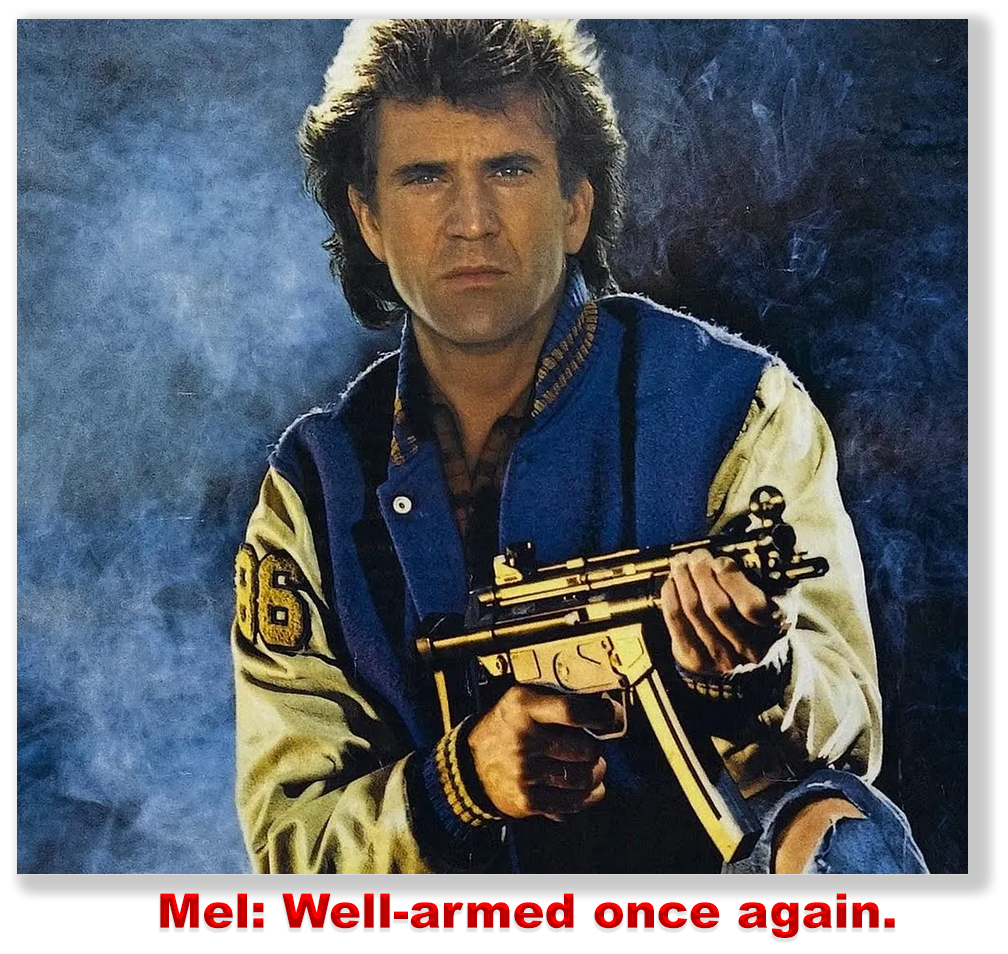
Oyer was fired last March when she refused to agree that actor and friend of Trump Mel Gibson should have his gun rights restored. Gibson was disqualified under 18 USC § 922(g)(9) because of a misdemeanor conviction for violence against his ex-girlfriend and the mother of his 1-year-old daughter at the time.  New York described Oyer’s firing as “a death knell for the office, according to some former staffers.”

“The office has been totally decimated,” an ex-staffer was quoted as saying. The office is down from 45 to about 15 employees. Many took buyouts when Elon Musk’s DOGE offered them last April. “Others,” New York said, “quit rather than stick around in an office where their work was being ignored.” (DOJ, of course, denies that OPA has been sidelined).

Two people appear to be in charge. Alice Marie Johnson, the “pardon czar” Trump appointed a year ago – a former federal prisoner serving life for a cocaine trafficking conspiracy before Trump commuted her sentence in 2018 (and later upgraded her to a full pardon) – works out of the White House. “Some ex-staffers hoped Johnson would maintain the office’s mission-based work…” one former OPA employee said. “But I don’t know that she has a staff,” says another former employee.

The official head of OPA is Edward Martin, named Pardon Attorney as a consolation prize after he was found to be too controversial to pass the Senate appointment process to be US Attorney for Washington, D.C. New York reported that Martin is uninterested in the Pardon Attorney position and apparently appears at the office about once a week.  “He’s just not there that much,” the staffer said.

The best way to obtain clemency in the current environment is to pay big in order to go around OPA. Lobbying for clemency is big business. Billionaire Changpeng Zhao, who violated money-laundering prevention statutes at his crypto exchange, Binance, was pardoned last fall, about a month after hiring the lobbying firm of Donald Trump Jr.’s friend Ches McDowell. The cost for a month’s lobbying? $450,000. (It helped that Binance was also a major backer of the Trump family’s cryptocurrency stablecoin). Nursing-home magnate Joseph Schwartz paid conservative lobbyists nearly $1 million last April to lobby for a pardon on tax-fraud charges; by November, Schwartz was free.

“Attorneys close to Trump are now seeking fatter fees,” New York reported. “Rudy Giuliani was reportedly shopping around a $2 million price last year. One former pardon-office lawyer… said they were hearing lobbyists go as high as $5 million to work their connections in the White House.”

Last Tuesday, in his State of the Union address, Trump asked that Congress “pass tough legislation to ensure that violent and dangerous repeat offenders are put behind bars and importantly, that they stay there.” Trump is not a friend of federal inmates who have neither connections nor a lot of money. Yet I hear weekly from prisoners believing that Trump is about to grant a large number of commutations to federal prisoners.

Not likely. All that is certain is that OPA has been broken and made irrelevant by the White House. “It’s heartbreaking,” one attorney who left OPA shortly after Oyer was fired told New York. “It’s not that they’re doing it differently that makes it heartbreaking. It’s that it’s corrupt.”

New York magazine, Trump’s Pardon Office Is ‘Totally Decimated’ The team has been virtually replaced by highly paid lobbyists and friends of the president. (February 27, 2026)

Politico, Trump showcases gruesome stories throughout the night (February 24, 2026)

~ Thomas L. Root

Pardon and Punishment – Update for February 19, 2026

We post news and comment on federal criminal justice issues, focused primarily on trial and post-conviction matters, legislative initiatives, and sentencing issues.

JUSTICE, TRUMP ADMINISTRATION STYLE

Pardons for the Right People:    President Trump last Thursday pardoned five former professional football players — including Super Bowl champions, a Hall of Famer and a Heisman Trophy winner — for crimes ranging from perjury to drug trafficking.

footThe pardons of ex-NFL players Joe Klecko, Nate Newton, Jamal Lewis, Travis Henry and the late Billy Cannon were announced by White House pardon czar Alice Marie Johnson.

“As football reminds us, excellence is built on grit, grace, and the courage to rise again. So is our nation,” Johnson wrote on the social media site X, as she thanked Trump for his “continued commitment to second chances.”

Of course, for the thousands of people serving sentences for drug and violent crimes who do not happen to have been NFL players, the action – which excuses prior criminal conduct because of the athletic prowess of the recipient – only underscores the fact that the price of admission to Trump clemency continues to be fame, fortune, or political affinity with the President.

Nevertheless, writing in his Sentencing Law and Policy blog, Ohio State law professor Doug Berman was a little puzzled by the announcement: “Ever the showman and the sports fan, I am a bit surprised that Prez Trump did not announce these pardons himself, and I am even more surprised that he did not seek to get attention by issuing these pardons in the week leading up to the Super Bowl rather than during the week after when the spotlight has turned away from football.”

Punishment for the Wrong People:      One of Trump’s first executive actions a year ago was to order that 37 death row inmates whose sentences President Biden had previously been commuted to life imprisonment without chance for release be “imprisoned in conditions consistent with the monstrosity of their crimes and the threats they pose.”

US District Judge Timothy J. Kelly issued a preliminary injunction against a plan to transfer the 37 to ADX Florence.  The judge noted that BOP policy allows assignment to the supermax in only two circumstances: when ”placement in other correctional facilities creates a risk to institutional security and good order or poses a risk to the safety of staff, inmates, others, or to public safety” or when an inmate’s status is such that he “may not be safely housed in the general population of another institution.”

The judge said public statements by Trump and Attorney General Pam Bondi had guaranteed that the men would be transferred to the supermax facility because Trump wanted it, regardless of the BOP designation standards.

“It is likely that the [administrative review ]process provided to Plaintiffs was an empty exercise to approve an outcome that was decided before it even began,” Judge Kelly wrote.  He said Bondi and other officials “made it clear” to BOP that the inmates “had to be sent to ADX Florence to punish them, no matter what result the originally BOP process might have yielded.”

Forgiveness for Favorites:   The Dept of Justice last week moved to dismiss criminal contempt of Congress charges against Trump acolyte Steve Bannon, who served four months in the BOP for the conviction.

Although Bannon has done his time, his petition for certiorari is pending before the Supreme Court. The case relates to Bannon’s refusal to testify before the congressional committee investigating the January 6, 2021, attack on the US Capitol. He was convicted in 2022 of two counts of contempt of Congress for refusing to appear for a deposition and declining to produce documents requested by the committee.

The DOJ wrote in its motion to dismiss the case, that “[t]he government has determined in its prosecutorial discretion that dismissal of this criminal case is in the interests of justice.”

The New York Times, Trump Pardons Klecko, Jamal Lewis and Other Former N.F.L. Players (February 12, 2026)

Politico, Judge halts transfer of former federal death inmates to ‘supermax’ prison (February 11, 2026)

Memorandum Opinion, Taylor v. Trump, Case No 25-cv-3742 (DDC, February 11, 2026)

Associated Press, Trump pardons five former NFL players for crimes ranging from perjury to drug trafficking (February 13, 2026)

Brief for the United States, Bannon v United States, Case No. 25-453 (Supreme Court, filed February 9, 2026).

~ Thomas L. Root

‘Fortunate Sons’ and Clemency In The Trump Era – Update for January 22, 2026

We post news and comment on federal criminal justice issues, focused primarily on trial and post-conviction matters, legislative initiatives, and sentencing issues.

TRUMP PARDONS 13, COMMUTES 8

For those who think that the old can be new again, recall Creedance Clearwater Revival’s 1969 protest song, Fortunate Son, and lay those lyrics next to President Donald Trump’s clemencies granted last week to 13 people (pardons) and 8 people (sentence commutations).

The pardons included five people who had served their sentences years ago, one woman whom Trump had pardoned five years ago for a fraud who was now indicted for a new fraud, and three currently facing a political bribery scandal in Puerto Rico.

The commutations included one mortgage fraud defendant serving 62 months and seven drug cases, two of whom were serving life sentences and four others serving 20 years or more.

One of the commutations went to James Phillip Womack — son of Arkansas Republican Congressman Steve Womack — who was sentenced in May of last year to eight years behind bars after being convicted of methamphetamine distribution.

The clemencies garnering the most reporting were pardons of Puerto Rico’s former governor, Wanda Vázquez Garced, who pled guilty last year in a federal public corruption case, and her two co-defendants, her aide Mark Rossini and billionaire Venezuelan-Italian banker Julio Martin Herrera Velutini.

Herrera Velutini’s daughter, Isabel Herrera, donated $2.5 million in December 2024 and $1 million last July to the pro-Trump political action committee MAGA Inc., according to public records. A White House official told CBS News that the donations had nothing to do with the pardon.

In a related story, the Washington Post reported yesterday that the pardoned January 6th defendants are demanding return of restitution payments paid as part of their criminal sentences. A judge ruling on a demand of one of them, Yvonne St. Cyr (who served half of her 30-month sentence before being pardoned), said in an order returning her $2,270.00), “Sometimes a judge is called upon to do what the law requires, even if it may seem at odds with what justice or one’s initial instincts might warrant. This is one such occasion.”

The Post said, “The ruling revealed an overlooked consequence of Trump’s pardon for some Jan. 6 offenders: Not only did it free them from prison but it emboldened them to demand payback from the government. At least eight Jan. 6 defendants are pursuing refunds of the financial penalties paid as part of their sentences, according to a Post review of court records… Others are filing civil lawsuits against the government seeking millions of dollars, alleging politically tainted prosecutions and violations of their constitutional rights. Hundreds more have filed claims accusing the Justice Department, the FBI and other law enforcement agencies of inflicting property damage and personal injuries, according to their lawyer.”

Washington Monthly observed last week that

It is safe to say that Trump’s abuse of the pardon power has no parallel in American history. Almost every president has granted a few that seem dodgy in retrospect; many have used them as an instrument of partisan politics; a few have used them as instruments of corruption. But in extent and scale, Trump’s pardons fall well below the subterranean ethical floor established even over the past 50 years. In pardoning 1,500 rioters convicted of involvement in the January 6 insurrection, Trump showed contempt for the law enforcement officers who protected the Capitol, and the system of government they preserved. His other pardons, from crypto fraudsters to foreign drug lords, reek with contempt for the very idea of law. Trump is also the first president to claim the power to undo a predecessor’s pardons, and the first to claim the power to pardon an offender convicted by a state, not the federal government. 

DOJ, Pardon and Commutations (January 15, 2026)

CBS, Trump Pardons Puerto Rico’s former governor Wanda Vázquez (January 16, 2026)

KATV, Trump commutes prison sentence of congressman’s son convicted in federal drug case (January 17, 2026)

Washington Post, They ransacked the U.S. Capitol and want the government to pay them back (January 20, 2026)

Washington Monthly, Amnesty Transactional (January 14, 2026)

~ Thomas L. Root

No One’s Pardoning Trump’s Use of Pardon Power – Update for January 8, 2026

We post news and comment on federal criminal justice issues, focused primarily on trial and post-conviction matters, legislative initiatives, and sentencing issues.

NO ONE’S HAPPY ABOUT PRESIDENT TRUMP’S EPIC CLEMENCY PARADE

If there is a unifying thread of reaction to President Trump’s unprecedented train of pardons and commutations in 2025, it’s one of disquiet.

Trump granted clemency this year to over 1,600 people. The biggest tranche was the first one – 1500-plus people getting clemency (14 just commutations, the rest pardons) for the January 6, 2021, riot. Since then, he has commuted another 13 sentences and pardoned 72 others. For a range of figures, Trump said he viewed them as victims of an unfair justice system. Some were tied to his newfound interest in cryptocurrency or shared in his 2020 election grievances, while another (a Texas developer involved in bid-rigging) was simply brought up to Trump during a round of golf with a Republican buddy.

Twenty of the pardons went to businessmen, 16 to politicians, five to celebrities, 24 to anti-abortion activists, and 12 to people convicted of other non-drug offenses.  Only eight were for drug crimes, and those included the guy who started the Silk Road deep-web drug bazaar and a former Honduran president.

More than half of the acts of clemency for named individuals relate to prosecutions pursued by the Biden Dept of Justice — in addition to the Jan 6 cases.

Even Fox News was critical, saying, “While presidents of both parties have long used their pardon power in controversial ways, Trump’s clemency activity in 2025 stood out for its volume and for the deal-making style that has been a defining feature of his approach to power.” Fox listed Trump’s most controversial clemencies as including the Jan 6 rioters, Texas congressman Henry Cuellar (bribery charges, not yet to trial), the Chrisleys, former congressman George Santos (widespread fraud), and former Honduran president Juan Orlando Hernandez (serving a 45-year sentence for the same charges just made this past weekend against Nicholas Maduro and his wife).

Attorney Mitch Jackson, writing on Substack, said Trump had “corruptly commodified one of the most potent parts of the presidency and turned it into a product to be sold to the highest bidder.”

The scheme works like this: People seeking clemency pay about $1 million to hire well-placed lobbyists within the administration who then work to secure a pardon from Trump. If those pardons are successful, the person receiving clemency may also pay a six-to-seven-figure “success fee” after the president signs the paperwork guaranteeing their release, according to the essay.

In one instance, Donald Trump, Jr., introduced a lobbyist named Ches McDowell to the president while McDowell was seeking a pardon for Changpeng Zhao, the billionaire founder of Binance. Binance reportedly paid $800,000 to McDowell for the work and then offered a success fee of more than $5 million once Zhao was freed.

Trump pardoned Zhao, who had been convicted of money laundering, last October. Whether a success fee was paid, and if so for how much, has not been reported. However, Rep Maxine Waters (D-CA) claimed that Zhao “spent months lobbying Trump and his family while funneling billions into Trump’s personal crypto company,” World Liberty Financial. Reports indicate Binance parked $2 billion in WLFI’s stablecoin, generating about $80-87 million annually. The Trump family owns 60% of WLFI, meaning that Binance’s deposit meant the family could receive $48-52 million in passive income.

Jackson wrote:

In Donald Trump’s Washington, freedom has a price tag. The presidential pardon, one of the most serious powers granted by the Constitution, now looks like a product on a shelf. Picture what this means in real life. If you or someone you love faced an unjust sentence, would you have a million dollars for a broker. Most families do not. Your petition would sit in a stack, waiting for a formal review that can take years. Meanwhile, a billionaire pays for a direct line, and the request reaches the President through a family member at a ceremony. The system looks less like equal justice and more like a private club with a cover charge.

A cottage industry has arisen of lobbyists seeking clemency for a wide variety of clients. David Schoen, one of Trump’s former impeachment lawyers is following the same pardon playbook that has rewarded allies of the president and been driven by a desire for political retribution.

Schoen is representing two mobsters who were sentenced to life in 1992. In a Christmas Eve letter to Trump, Schoen sought clemency by arguing that they had been unfairly convicted by prosecutor Andrew Weissmann—a foe of Trump’s who led FBI director Robert Mueller’s special counsel team that investigated Russian interference in the 2016 election.

Wall Street Journal, A Visual Breakdown of Trump’s Pardon Spree (December 10, 2025)

Raw Story, ‘Disturbing’: Lawyer exposes how Trump shredded a ‘core promise’ of American law (December 28, 2025)

Benzinga, Trump Pardoned 3 Crypto Felons In 10 Months—Here’s What Each One Cost (January 2, 2026)

Fox News, Deal-making clemency: Inside Trump’s most disputed pardons of 2025 (December 30, 2025)

Free Press, Ex-Trump Lawyer Lobbies to Free Mobsters Prosecuted by an Enemy of the President (December 31, 2025)

~ Thomas  L. Root

A Year of Presidential Clemencies Bring Little Hope for Federal Prisoners- Update for December 29, 2025

We post news and comment on federal criminal justice issues, focused primarily on trial and post-conviction matters, legislative initiatives, and sentencing issues.

CLEMENCY YEAR IN REVIEW

The conservative Washington Examiner last week reviewed President Trump’s unprecedented first-year clemency record of more than 1,600 people. The report was not favorable.

The lesson from over 11 months of Trump’s pardons and commutations is clear: if you don’t have rich parents, a MAGA flag and hat, or a means of enriching the Trump family, your odds of clemency rival those of winning the Powerball.

“On his first day back in office, Trump issued sweeping pardons for those tied to the Jan. 6 attack on the U.S. Capitol,” the Examiner wrote. “In November, he also moved preemptively to pardon several political allies, including Rudy Giuliani, former chief of staff Mark Meadows, and attorneys Sidney Powell and John Eastman, even though none were facing federal criminal charges at the time.”

The Examiner then listed Trump’s five most controversial clemency actions. Top of its list was the clemency for drug black market operator Ross Ulbricht last February, whom Trump promised to pardon when he pitched the Libertarian Party convention in 2024 for political support. Trump paid off within a month of taking office.

Second on the list was the pardon of Changpeng Zhao, founder of Binance, the world’s largest cryptocurrency exchange. Zhao was sentenced to four months in prison in April 2024 after pleading guilty to money laundering. Zhao and Binance have been key supporters of the Trump family’s crypto enterprises.

Third was former congressman George Santos, a serial liar sentenced in April to seven years in federal prison after pleading guilty to fraud and identity theft. Santos served about four months in a camp before being pardoned. The Examiner also cited this month’s pardon of former Honduran president Juan Orlando Hernandez, who had been serving a 45-year sentence at USP Hazelton for a massive drug trafficking operation that moved more than 400 tons of cocaine into the United States. Reports at the time suggested Trump sought to influence the Honduran presidential election, going on at the time.

For the final pardon on its “top five” list the Examiner noted this month’s pardon of Rep Henry Cuellar (D-TX), charged but not yet convicted of bribery and money laundering. In a Truth Social post, Trump said he never spoke to Cuellar or anyone in his family, but he felt good about “fighting for a family that was tormented by very sick and deranged people – They were treated sooo BADLY!” Of course, Cuellar is a Democrat, which makes it unlikely that a Biden Administration Dept of Justice would have targeted him unfairly.

Ironically, Trump responded in fury a few days after the pardon, as Cuellar filed to run again as a Democrat rather than turning Republican out of “loyalty” to the President.

The Washington Post reported that at least 20 people who have received clemency from Trump so far this year were also forgiven of restitution totaling tens of millions of dollars. For some, restitution was more onerous than the sentence. Paul Walczak, a health care executive convicted of willfully failing to pay over $4 million in taxes withheld from his employees and willfully failing to file individual tax returns, was sentenced in April to 18 months in prison. He was pardoned before serving a day, wiping out his $4 million restitution obligation to the IRS.

The common thread connecting almost all of Trump’s clemencies is that the beneficiaries had committed offenses with political import, had money ties to Trump or were supporters of the President.  The Jan 6 rioters fell into the first category. Walczak’s pardon came after his mother had raised millions of dollars for Trump’s campaigns and was involved in an effort to sabotage President Biden’s 2020 campaign by publicizing the addiction diary of his daughter Ashley, an episode that The New York Times said “drew law enforcement scrutiny.”

Trevor Milton, convicted of lying to investors to pump the stock of his company, electric vehicle maker Nikola, was sentenced to four years in prison and over $600 million  In discussing the pardon, which left investors high and dry, In describing his decision to pardon Milton, Trump said, “And they say the thing that he did wrong was he was one of the first people that supported a gentleman named Donald Trump for president. He supported Trump. He liked Trump.”

The transactional nature of Trump’s presidency was brought home a few weeks ago in an unusual quid pro quo raised in a video last week by former Pardon Attorney Elizabeth Oyer. You may recall that the Obama Administration brought a sprawling fraud case against FIFA and over 30 other defendants. The remnants of that case are now in front of the Supreme Court in petitions for certiorari brought by two defendants.

Earlier this month, world soccer organization FIFA announced a new “peace prize” that would be bestowed on a recipient who has taken “exceptional and extraordinary actions for peace and by doing so have united people across the world.” The inaugural FIFA “Peace Prize,” unsurprisingly, was awarded to President Trump on December 5.

Four days later, the DOJ filed a F.R.Crim.P. 48 motion to dismiss the indictment “in the interests of justice.”   In a Facebook post, Oyer reported that the dismissal came over the objection of the line prosecutor who had obtained the convictions.  She said, “This is a huge deal because it could also unravel dozens of other convictions of soccer officials and sports executives. It could also mean that the government has to return hundreds of millions of dollars in penalties paid by these people. It’s also a big deal because it’s an example of corruption at work. In Trump’s America, justice can be bought: all it takes is a shiny object or a large check.”

Washington Examiner, Trump’s five most controversial pardons of 2025 (December 25, 2025)

Washington Post, Trump’s pardons wipe out payments to defrauded victims (December 19, 2025)

New York Times, Trump Pardoned Tax Cheat After Mother Attended $1 Million Dinner (May 27, 2025)

CNN, What is the FIFA Peace Prize and why did Donald Trump win? (December 5, 2025)

Facebook, Days after FIFA gave him a medal, Trump’s DOJ started dismantling a major corruption prosecution (December 22, 2025)

~ Thomas L. Root

Pot Good, Fentanyl Very Bad – Update for December 23, 2025

We post news and comment on federal criminal justice issues, focused primarily on trial and post-conviction matters, legislative initiatives, and sentencing issues.

TRUMP DOES THE ‘WEAVE’ ON DRUG CRIMES

President Trump is proud of “the weave,” that oratorical puzzlement that sounds to some like Grandpa forgot to take his meds. Last week, Trump tried it on drug policy.

On Monday, Trump signed an executive order declaring fentanyl and its precursors  as “weapons of mass destruction.” Three days later, he signed another order directing federal agencies to reschedule marijuana as a Schedule III rather than Schedule I.

The fentanyl executive order instructs federal agencies, including the Depts of Justice, State, Treasury and Defense, to pursue fentanyl-related crimes more aggressively and to explore military cooperation with civilian law enforcement.

The Atlantic last week reported that while the

WMD designation may not have immediate legal implications for Trump’s military powers, it could potentially change how domestic drug cases are prosecuted. The use of a WMD against people or property in the U.S. carries a maximum sentence of life in prison; if someone dies, prosecutors can argue for the death penalty… That could impose a life sentence on any person who uses drugs laced with illicitly manufactured fentanyl, or anyone who gives drugs laced with illicitly manufactured fentanyl to their friend. As of now, the Trump administration has offered no guidance on how this might play out.

Earlier this year, Attorney General Pam Bondi claimed that the Trump administration’s fentanyl seizures had saved the lives of 258 million Americans — three-quarters of the population of the entire country. However, in September, Trump claimed that “300 million people died … from drugs” in 2024, which would be almost the entire US population, and about five times as many people as died that year from anything anywhere in the world. In fact, CDC numbers show that fentanyl was involved in 42,233 deaths between April 2024 and April 2025.

Drug defendants with fentanyl in their cases probably should not expect any break from this Administration any time soon.

A different story has played out on marijuana, although Trump’s executive order issued last Thursday on weed changes more for the cannabis industry’s bottom line than the architecture of prohibition.

Under the Controlled Substances Act, marijuana is currently placed in Schedule I, a category reserved for substances deemed to have “no currently accepted medical use.” That’s the most restrictive controlled substance category — more serious than where fentanyl is scheduled — and clearly at odds with at least 40 states that have legalized medical marijuana.

Trump’s executive order on Thursday prompts the Justice Department to hasten the rescheduling of marijuana as a Schedule III drug, alongside common prescription medications like Tylenol with codeine.

The Biden administration began rescheduling in the fall of 2022, but left the matter unfinished despite its promise to get it done. Trump’s order — which directs Attorney General Pam Bondi to hasten the process of loosening federal restrictions but does not include a timeline — comes after an intensive lobbying campaign from cannabis business interests.

Although the Wall Street Journal complained that by his executive order, Trump is going “for the Stoner Vote,” the President was lobbied hard by the commercial cannabis industry for the change, due to the banking and tax relief such a reclassification will bring to the business. “I’ve never been inundated by so many people as I have about this particular reclassification,” Trump said.

While Schedule III drugs can legally be prescribed, they still require Food and Drug Administration approval, which marijuana lacks. While, in theory, the order could reduce or eliminate some federal criminal penalties, statutory mandatory minimums would remain unchanged unless Congress amends 21 USC §§ 841 and 960. It is possible that some Sentencing Guidelines would change, but any such modification is several years off and would have to undergo an additional proceeding to become retroactive.

Even under §§ 841 and 960 as now written, federal prosecutors have not prioritized marijuana cases in recent years, especially regarding state-level approved marijuana commerce. As of January 2022, no one in federal prison was doing time solely for simple marijuana possession. Marijuana trafficking cases are down 58% since 2020, according to the U.S. Sentencing Commission.

What might this mean for 18 USC § 922(g)(3), which prohibits users of unlawful drugs from possessing guns? One firearms trade group has reminded its members that “state legalization of marijuana similarly has no effect on legality under 18 USC § 922(g)(3), and possession by a purchaser of a state medical marijuana card should be taken as evidence of unlawful use.”

What’s more, Trump taking a more accepting stance toward marijuana could prompt Congress to revisit the Controlled Substances Act, either by amending it to exempt state-level marijuana legalization regimes or by de-scheduling the drug from federal regulation altogether.

Trump’s order could also impact United States v. Hemani, currently pending in the Supreme Court. Hemani was convicted of a § 922(g)(3) offense, and SCOTUS has been asked to rule on whether disarming marijuana users complies with the 2nd Amendment. A decision is expected by June 2026.

Executive Order, Designating Fentanyl As A Weapon Of Mass Destruction (December 15, 2025)

Executive Order, Increasing Medical Marijuana and Cannabidiol Research (December 18, 2025)

The Atlantic, The New ‘Weapon of Mass Destruction’ (December 16, 2025)

Centers for Disease Control and Prevention, Provisional Drug Overdose Death Counts (September 17, 2025)

U.S. Sentencing Commission, Quick Facts – Marijuana Trafficking (FY 2024) (May 2025)

Roll Call, Press Gaggle: Donald Trump Speaks to Reporters Before Air Force One Departure – September 14, 2025 

The Hill, Trump signs executive order to expedite marijuana rescheduling (December 18, 2025)

CNN, Trump signs executive order expediting marijuana reclassification after lobbying from cannabis industry (December 18, 2025)

The Reload, Analysis: Trump’s Marijuana Moves Unlikely to Immediately Impact Gun Owners (December 21, 2025)

~ Thomas  L. Root

Trump Rumored to Plan Marijuana Rescheduling – Update for December 15, 2025

We post news and comment on federal criminal justice issues, focused primarily on trial and post-conviction matters, legislative initiatives, and sentencing issues.

TRUMP TO LOOSEN POT SCHEDULING?

You may recall that President Joe Biden made a big deal about rescheduling marijuana from a Schedule I controlled substance to Schedule III. This de-escalation of weed would have loosened a lot of the Controlled Substances Act restrictions and might have led to changes in mandatory minimum sentences and easing of marijuana Guidelines.

Biden didn’t get it done by the end of 2024 as promised, and his departure from the White House seemed to have brought the effort to a standstill.

President Trump ruminated about easing pot regulation this past summer. Late last week, rumors exploded in Washington that President Trump is expected to issue an executive order as soon as today that would allow for reclassification of marijuana, a White House official (who remained anonymous because he was not authorized to speak about it) told reporters.

Trump is expected to push the government to reduce regulation of the plant and its derivatives to the same level as some common prescription painkillers and other drugs, the Washington Post reported. The anticipated executive order is expected to direct federal agencies to pursue reclassification, the people said.

Reclassification will not decriminalize marijuana, but it would ease barriers to research and may drive Congress and the Sentencing Commission to reconsider sentence levels for the drug.

Although the President cannot reclassify pot by executive order, he can direct the Dept. of Justice to cancel a pending administrative hearing and issue the final rule.

The Post said that in a call last Wednesday between Trump and House Speaker Mike Johnson (R-LA), Johnson expressed skepticism about the plan, but Trump “ended the call appearing ready to go ahead.”

CNBC, Trump expected to sign executive order to reclassify marijuana as soon as Monday, source tells CNBC; pot stocks surge (December 12, 2025)

Washington Post, Trump seeks to cut restrictions on marijuana through planned order (December 11, 2025)

~ Thomas L. Root

Flattery, Politics, Money – It’s What a Pardon Requires – Update for December 11, 2025

We post news and comment on federal criminal justice issues, focused primarily on trial and post-conviction matters, legislative initiatives, and sentencing issues.

LESSONS FOR CLEMENCY APPLICANTS – CONTACTS AND MONEY HELP

President Donald Trump’s clemencies continued last week with beneficiaries including former congressman Henry Cuellar (D-TX) and his wife, and entertainment venue developer Tim Lieweke, accused of rigging bids for a $375 million basketball arena built for the University of Texas. None had gone to trial yet.

Trump claimed on Truth Social that the Cuellars’ bribery prosecution was the result of his speaking out against former President Joe Biden’s immigration policy. As for Lieweke, the pardon came after his lawyer, former Rep. Trey Gowdy (R-SC) (who hosts a Fox News program), sold Trump on the pardon while playing a round of golf with him.

“There’s nothing conventional about Trump’s pardoning,” said Margaret Love, former U.S. pardon attorney. “You don’t know whether he’s got a personal interest in the case, whether [it is] because of the nature of the offence — he’s concerned with bribery and financial crimes convictions.”

This year, roughly 10,000 federal prisoners have filed clemency petitions through the Office of Pardon Attorney. Only 10 of those have been granted. In previous administrations, OPA filtered a select few pardon applications to the president, and presidents only occasionally circumvented that process. With Trump, OPA seems to be where clemency petitions go to die. So how does an inmate get a leg up?

    • First, as Axios reported last week, “serious criminal conduct matters far less than whether the defendant pledges loyalty, flatters the president or aligns with his ideological project.” Honduran president Juan Orlando Hernández, pardoned the week before, wrote a fawning letter calling Trump’s accomplishments “historic” and gushing that “Mr. President, you and I also shared something deeper, a profound love for our countries. We are men of faith, patriots, willing to risk our lives for the safety of our people.”
    • Second, blame Biden. Trump said that Henry Cuellar had been prosecuted by Biden because he objected to Biden’s “open border” policies. The Honduran President complained that his case was brought “only because the Biden-Harris DOJ pursued a political agenda to empower its ideological allies in Honduras…”
    • Third, hire the right people. The Honduran President got Trump buddy Roger Stone to convince the President to issue the pardon. Lieweke had hired Gowdy’s law firm for representation in the criminal case.
    • Fourth, money always helps. Beyond paying people with presidential access, donating to a Trump cause may help. Last April, Trump pardoned Paul Walczak for tax crimes after Walczak’s mother attended a $1-million-per-person fundraiser at Mar-a-Lago.

New York Times columnist Sam Sifton wrote last week that “with Trump, it often comes down to winning him over — or at least his family or closest advisers. And because there are many ways to get in his good graces — donating to his political committees, helping fund the construction of the White House ballroom, having one of his friends vouch for you — there is a cottage industry of lawyers and lobbyists seeking to exploit those avenues.”

Saikrishna Prakash, a University of Virginia law professor who writes about the presidential pardon power, said last week that Trump is “enamored with this power precisely because it’s unchecked.”

Politico, Henry Cuellar will seek reelection as a Democrat after Trump pardon (December 3, 2025)

Wall Street Journal, A Round of Golf Changed Trump’s Tone on the Concert Industry (December 6, 2025)

Wall Street Journal, Trump’s Pardon for Cocaine Juan (December 2, 2025)

Axios, Trump wields pardons as purest form of power (December 3, 2025)

Financial Times, ‘Why are we letting this guy go?’ Donald Trump’s pardons upend US justice system (December 5, 2025)

New York Times, Who Gets a Presidential Pardon? (December 4, 2025)

~ Thomas L. Root