We post news and comment on federal criminal justice issues, focused primarily on trial and post-conviction matters, legislative initiatives, and sentencing issues.

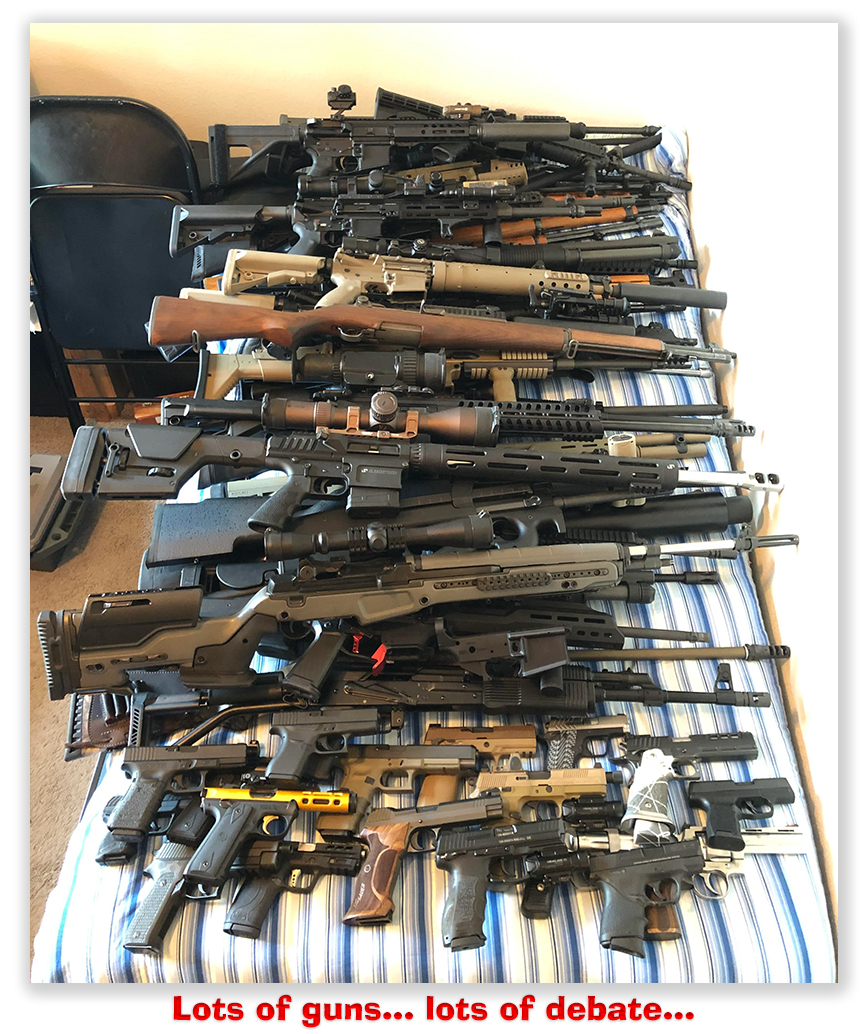
HOW ABOUT THOSE “NEW LAWS” ON FELON-IN-POSSESSION?
I had yet another email last week – and there have been a lot of them – asking for information about any “new laws” on 18 USC § 922(g)(1) felon-in-possession.
We need to get some things straight.
 Remember those high school government classes you skipped? The teacher explained that a new “law” has to be passed by Congress and signed by the president, in this case by the notoriously anti-gun President Biden. When will that happen?
We are now into an election year in which Americans will elect one new president, 435 new members of the House and 33 new senators. Democrat voters, by and large, don’t like guns and hate the 2nd Amendment. Republican voters, by and large, love the 2nd Amendment but don’t think convicted felons should be allowed to do or have anything. Most people (77% of Americans and 92% of Republicans) think the crime rate is rising when, in fact, violent crime dropped 8% last year over 2022, the murder rate has plummeted, and the property crime rate fell 6.3% to what would be its lowest level since 1961.
Less than two years ago, Congress passed the Bipartisan Safer Communities Act as a response to mass shootings at a Buffalo supermarket and a Uvalde, Texas, school. The bill – passed the House 55-45% but was approved in the Senate by a 2-1 margin – tightened background checks, toughened straw-purchaser laws, and increased the maximum for a simple, non-Armed Career Criminal Act felon-in-possession from 10 to 15 years.
So you tell me: who in Congress would vote to walk back felon-in-possession laws so soon after toughening them? Who in Congress would want to face attacks during a reelection campaign that he or she made it easier for criminals to get guns?
If you answered “no one,” you’re pretty close.
Federal law prohibiting anyone with a felony conviction from ever possessing a gun or ammo has only been around since 1961. But among politicians, it is untouchable. Every change to 18 USC § 922(g) in the last 63 years has only increased the classes of people prohibited from having guns or increased the penalties for violating the statute.
 There is action on felon-in-possession, but it’s taking place across the street from the Senate and House chambers at the Supreme Court. Back in June 2022, the Supreme Court ruled in New York State Rifle & Pistol Assn v. Bruen that when the 2nd Amendment’s plain text covers an individual’s conduct, the Constitution presumptively protects that conduct. Only if a statute limiting firearm possession is consistent with “this Nation’s historical tradition may a court conclude that the individual’s conduct falls outside the 2nd Amendment’s ‘unqualified command’.”
Bruen has led to a cascade of 2nd Amendment attacks on 18 USC § 922(g). Most notably, the 3rd Circuit ruled in Range v. Attorney General, an en banc decision last June, that § 922(g)(1) felon-in-possession is unconstitutional as it applies to people convicted of nonviolent felonies. Range came only a week after the 8th Circuit ruled in United States v. Jackson that the § 922(g)(1) felon-in-possession ban remained a lawful limitation on gun possession even after Bruen.
 Meanwhile, the government convinced the Supreme Court to take up United States v. Rahimi, a case in which the 5th Circuit ruled that § 922(g)(8) – which prohibits someone subject to a domestic protection order from possessing a gun – was unconstitutional. Oral arguments in Rahimi last fall did not go all that well for the defendant, chiefly because Zackey Rahimi is a bad actor who threatened to kill his girlfriend, opened fire on a motorist in a road rage incident, and tried to shoot up a What-a-Burger because his friend’s credit card was declined.
Meanwhile, the Range petition for cert, also filed by the government, appears to be on hold pending the Rahimi decision.
Now add to that a petition filed on December 21 by Melynda Vincent, who passed a $492.00 counterfeit check while battling a drug addiction 15 years ago. Melynda sued the government in 2020 for the right to own a gun. The 10th Circuit ruled last fall that Bruen did not change the fact that felon-in-possession was constitutional. The government plans to oppose Melynda’s petition, but the issue – whether a sympathetic nonviolent offender whose crime was committed years ago can constitutionally be denied the right to possess a gun – is much like Bryan Range’s case.
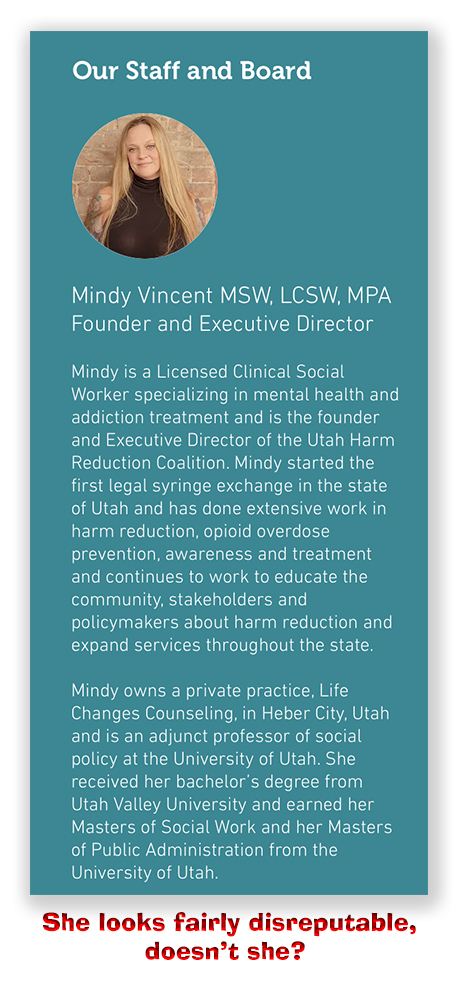 Melynda is as ideal a petitioner as Zack Rahimi is a poster child for gun control. Her federal judge gave her probation 15 years ago and challenged her to turn her life around. Melynda did that and more. She earned a bachelor’s degree in behavioral science followed by a master’s degree in social work and a second master’s degree in public administration. She is the founder and executive director of the Utah Harm Reduction Coalition, a nonprofit that works to develop science-driven drug and criminal justice reform policies. She also started the first legal syringe exchange service in the state.
It seems probable that the Supreme Court will try to limit Bruen where public safety is concerned. This makes it likely that the court may limit § 922(g)’s limitations to cases where the defendant’s dangerousness is at issue, which would benefit the Bryan Ranges and Melynda Vincents of the country, as well as any number of federal defendants whose § 922(g)(1) convictions have nothing to do with their perceived risk to public safety.
Vincent v. Garland, 80 F.4th 1197 (10th Cir, 2023)
Vincent v. Garland, Case No. 23-683 (petition for cert filed Dec 21, 2023)
Range v. Attorney General, 69 F.4th 96 (3d Cir. 2023) (en banc)
Garland v. Range, Case No. 23-374 (dist for conference November 17, 2023)
NBC, Most people think the U.S. crime rate is rising. They’re wrong. (December 16, 2023)
Deseret News, She lost her gun rights for passing a bad check. Now she wants the Supreme Court to restore them (December 29, 2023)
– Thomas L. Root

 The Supreme Court has relisted a case that asks whether sentencing decisions based on uncharged, acquitted, or dismissed conduct violate the 5th and 6th Amendments.
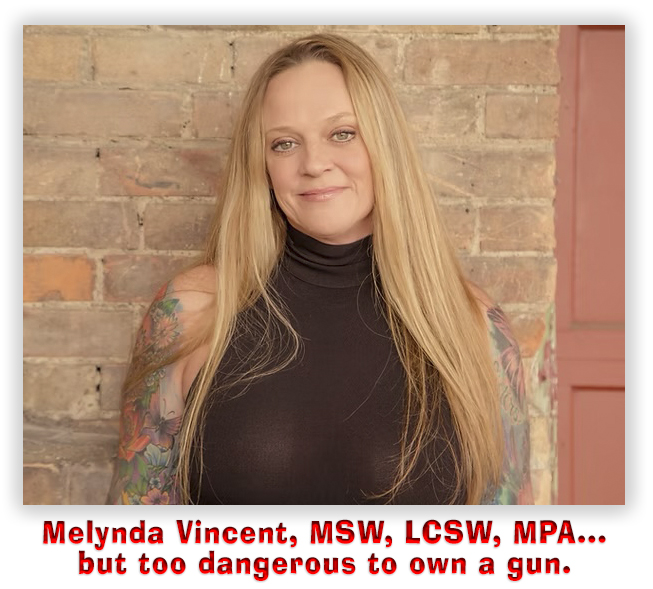 In other news, the Supreme Court will consider Melynda Vincent’s petition for certiorari that asks whether 18 USC § 922(g)(1)’s felon-in-possession provision violates the 2nd Amendment by prohibiting her from acquiring a gun. Vincent was convicted of bank fraud 15 years ago for writing some bad checks while in the throes of drug addiction. Since then, she cleaned up, graduated from a drug treatment program, earned an undergraduate degree and two graduate degrees, and founded the Utah Harm Reduction Coalition – a nonprofit organization for drug treatment and criminal-justice reform – and a mental health counseling service, Life Changes Counseling.