
We post news and comment on federal criminal justice issues, focused primarily on trial and post-conviction matters, legislative initiatives, and sentencing issues.

NOTES FROM ALL OVER
 Gunning for Restoration: Fourteen months ago, the Dept of Justice restored rights to several people prohibited by 18 USC § 922(g) from owning guns (including actor Mel Gibson). DOJ announced that it was planning a program to restore firearms rights for nonviolent offenders. A rulemaking proceeding followed, with a comment period that ended seven months ago.
Last Thursday, the DOJ announced a new batch of rights restorations. However, it was limited to just four people, and the DOJ backdated it to the tenure of former Attorney General Pam Bondi. The announcement said nothing about the DOJ’s plan to standardize the rights restoration process.
Gun law and policy newsletter The Reload reported last week that “Thursday’s filing shows little progress, but it does connect to one of the overarching issues with the DOJ’s rights restoration approach. That’s because of the four men former AG Bondi picked, one had filed a Second Amendment lawsuit challenging his firearms prohibition.”
The Reload, Analysis: Where is DOJ’s Gun Rights Restoration Plan? (May 29, 2026)
 Who Can Trust DOJ? A jaw-dropping mea culpa played out in federal district court in Chicago last week, as the US Attorney himself appeared before US District Judge April Perry to apologize for what The New York Times called a “remarkable list of grand jury errors in a case that was dismissed against four Democratic activists about to face trial for impeding the police during a protest last fall at a suburban immigration detention facility.”
The Assistant US Attorney handling the grand jury talked to jurors outside of the courtroom, coaching them to indict. The government dismissed several grand jurors deemed insufficiently willing to approve the indictment. Then, the AUSA doctored the grand jury transcripts to hide what he had done.
The Times said, “[T]he mistakes also pointed to a more important problem: As Mr. Trump has demanded more and more charges against those he perceives as his opponents, prosecutors have felt pressure to push weak cases through grand juries. And that, in turn, has led to an erosion in faith in the Justice Department by both the grand jurors themselves and the judges considering the cases.”
“Your sole goal is to do justice. Your client is justice itself,” Judge Perry told the US attorney. “I do believe deeply in the presumption of regularity and that most government attorneys are doing the best they can to do the right thing. That trust has been broken.”
The New York Times, As Trump Politicizes Justice Dept., Prosecutors Struggle With Grand Juries (May 26, 2026)
 Free the Weed: In a May 22 letter to President Donald Trump and Pardon Czar Alice Marie Johnson, 28 Democratic senators and representatives, along with Bernie Sanders (I-VT), asked the administration to pardon everyone in federal prison for non-violent marijuana crimes.
The letter notes that the Administration’s decision to move marijuana from Schedule I under the Controlled Substances Act to Schedule III “does not provide relief for anyone currently in federal prison from a marijuana conviction.” The letter observed that the Sentencing Commission estimates that about 3,000 people are serving time for pot trafficking offenses.
The legislators wrote, “The Bureau of Prisons (BOP) is plagued by capacity issues, both overcrowded 7 and understaffed.8 While it won’t solve the structural issues that have led us here, we believe that commuting the sentences of people with marijuana offenses would both address the overly harsh sentences while simultaneously allowing BOP to focus resources where they are needed most.”
Letter to Donald Trump (May 22, 2026)
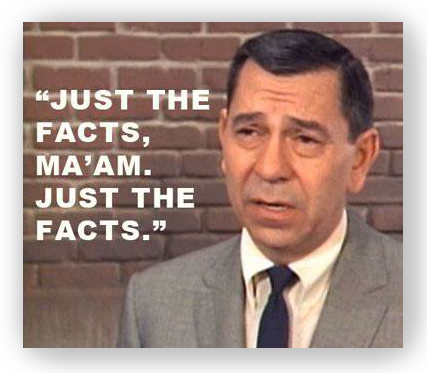 Sentencing Commission Quick Facts Released: The US Sentencing Commission regularly releases “Quick Facts,” short data documents that make for an interesting read as they fulfill the USSC’s goal of giving “readers basic facts about a single area of federal crime in an easy-to-read, two-page format.”
The Commission has issued a spate of new “Quick Facts” publications based on its latest Fiscal Year data. The newest set of postings by the USSC on the “Quick Facts” page covering a range of offenses and offenders, including Guidelines Career Offenders, illegal reentry, alien smuggling, drug trafficking (including separate publications focused on fentanyl, fentanyl analogue and methamphetamine trafficking), theft and fraud, healthcare fraud, money laundering and government benefits fraud.
USSC, Quick Facts (May 19, 2026)
~ Thomas L. Root