
We post news and comment on federal criminal justice issues, focused primarily on trial and post-conviction matters, legislative initiatives, and sentencing issues.

SLEEPER
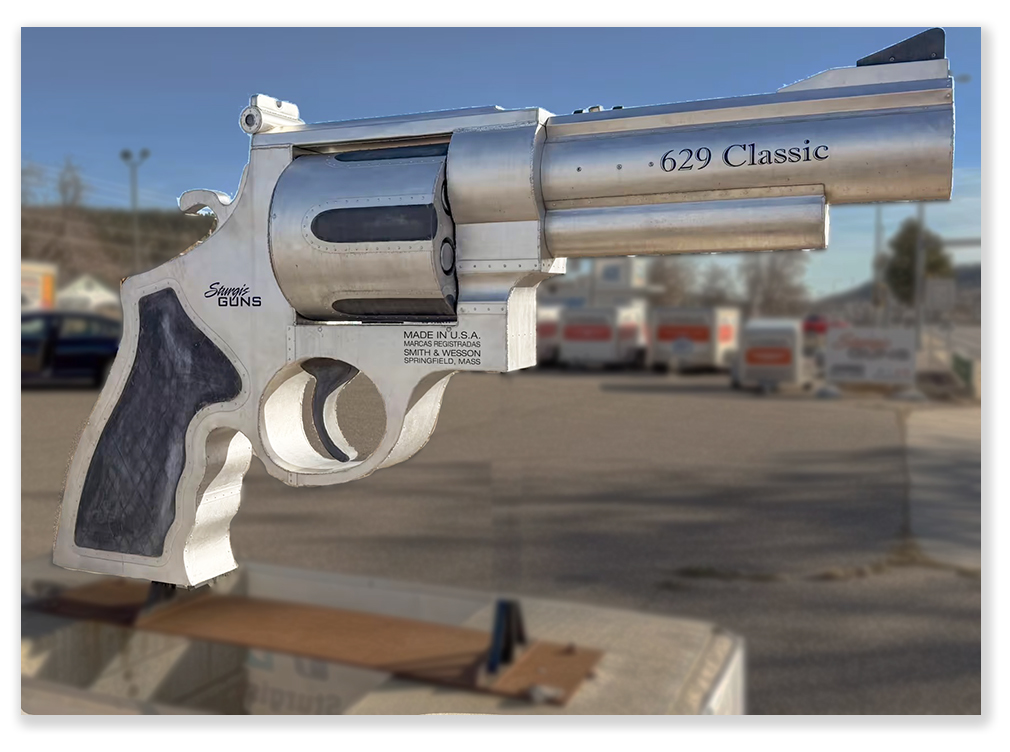 An under-the-radar § 922(g)(1) case may portend big changes coming in the world of 2nd Amendment and felon-in-possession.
All eyes have been on the United States v. Hemani decision, due in the next eight weeks or so. Hemani asks whether 18 USC § 922(g)(3) – which bans illegal drug abusers from having guns – violates the 2nd Amendment’s guarantee of the right to bear arms. But last week, SCOTUS quietly denied the government review of a 5th Circuit decision that held the felon-in-possession prohibition of § 922(g)(1) unconstitutional as applied to a woman with a prior drug felony.
The felon-in-possession subsection of 18 USC § 922(g) prohibits anyone convicted of a felony, no matter how petty or how long ago, from possessing a gun or ammo.
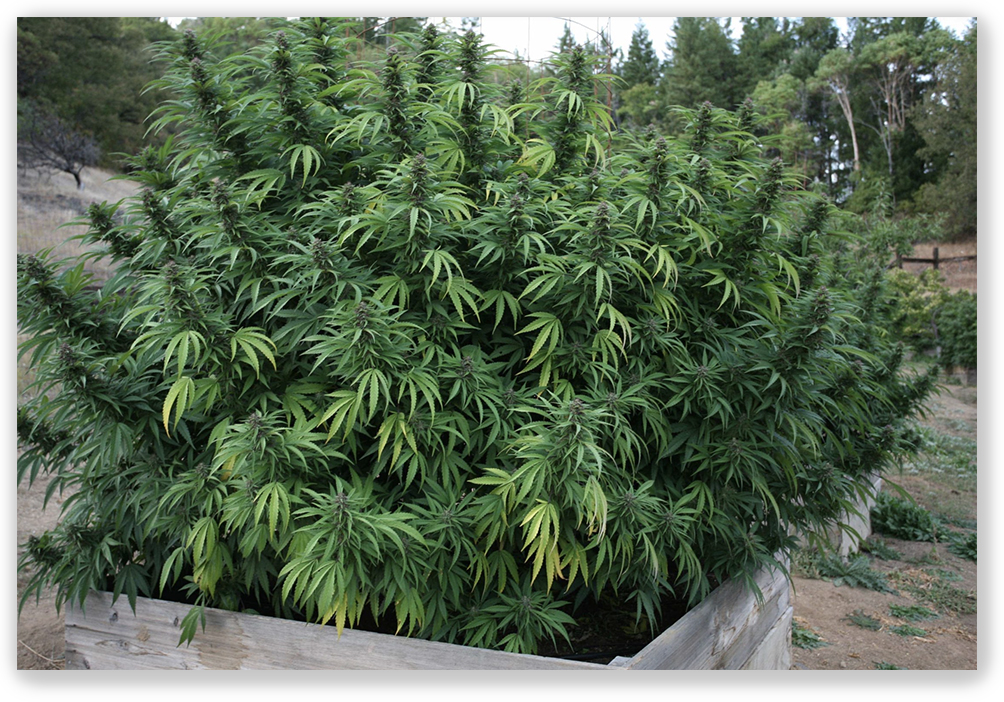 In its April 27th orders list, the Supremes declined the Dept of Justice’s request to hear United States v. Doucet. The 5th Circuit ruled last December in an unpublished decision that Briani Doucet, a Louisiana woman convicted of a § 922(g)(1) felon-in-possession count based on a 2016 “attempted cultivation of marijuana” felony, should be acquitted on 2ndAmendment grounds. The DOJ had asked the Court to address its appeal after the justices issued a decision in Hemani.
None of the Supreme Court justices commented on the certiorari denial.
The Reload reported,
The denial marks a rare instance of the High Court refusing to show deference to the Justice Department in a case imperiling a federal law. It also deviates from the Court’s recent practice of holding appeals dealing with a similar subject matter to a forthcoming court decision and ordering them reconsidered once it has delivered a decision. Taken together, these departures could signal a potentially decisive ruling against the federal government’s current treatment of marijuana and firearms in Hemani.
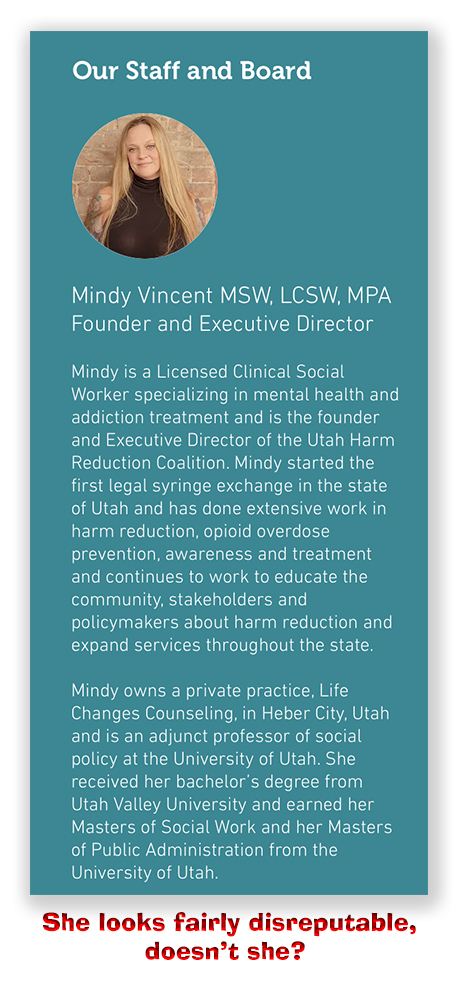 The cert denial is all the more puzzling because SCOTUS previously denied certiorari in a case going the other way, Vincent v. Bondi, two months ago. Melynda Vincent’s petition for certiorari asked whether 18 USC § 922(g)(1)’s felon-in-possession provision violates the 2nd Amendment by prohibiting her from having a gun. Vincent was convicted of bank fraud 15 years ago for writing some bad checks while in the throes of drug addiction. Since then, she cleaned up, graduated from a drug treatment program, earned an undergraduate degree and two graduate degrees, and founded the Utah Harm Reduction Coalition – a nonprofit organization for drug treatment and criminal-justice reform – as well as a mental health counseling service, Life Changes Counseling.
Melynda was the poster child for rehab, but the 10th Circuit ruled that applying § 922(g)(1) to her was consistent with the 2nd Amendment. Her petition for cert was one that many observers thought would be granted, or at least certainly should be granted.
United States v. Doucet, Case No. 25-1001(certiorari denied, April 27, 2026)
United States v. Hemani, Case No. 24-1234 (argued on March 2, 2026)
The Reload, SCOTUS Turns Away Weed and Guns Case Despite DOJ Request (April 28, 2026)
Vincent v. Bondi, Case No. 24-1155 (petition for certiorari denied March 2, 2026)
~ Thomas L. Root