We post news and comment on federal criminal justice issues, focused primarily on trial and post-conviction matters, legislative initiatives, and sentencing issues.

SEX, PRISON FOOD, AND UNSERIOUSNESS
 Serious stuff: US District Judge Royce Lamberth (District of Columbia), who has been hearing a series of challenges to the Trump administration’s anti-transgender prison policies, granted a preliminary injunction last week prohibiting the Federal Bureau of Prisons from transferring 14 transgender prisoners biological men identifying as women) to men’s facilities while their lawsuit if pending, concluding that the plaintiffs were likely to prevail on their 8th Amendment claims.
Judge Lamberth, a Reagan appointee, previously enjoined the BOP from “tapering” hormone therapy for transgender prisons. The BOP has sought a stay of that order from the DC Circuit.
Meanwhile, in the Northern District of Alabama, a female inmate has filed a Federal Tort Claims Act lawsuit against a BOP correctional officer (who is already facing criminal charges) alleging that she was raped and sexually assaulted more than 20 times at FCI Aliceville.
According to the lawsuit, Corrections Officer Felix Wilder began grooming the plaintiff in October 2023, directing her into isolated areas of the facility where he forced her to have unprotected sex on more than 20 occasions through September 2024.
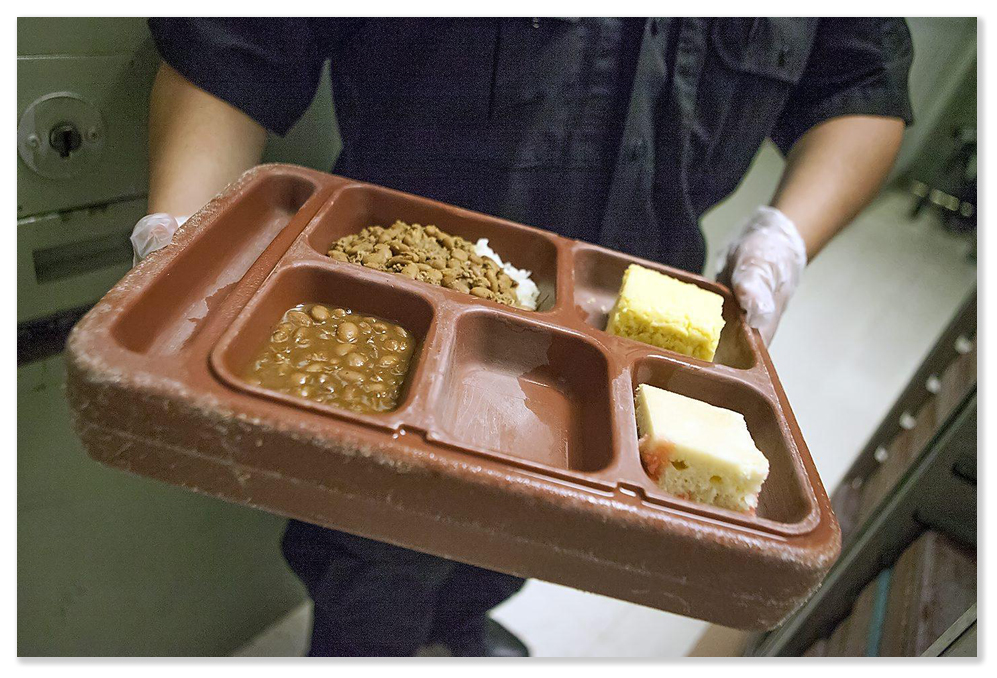
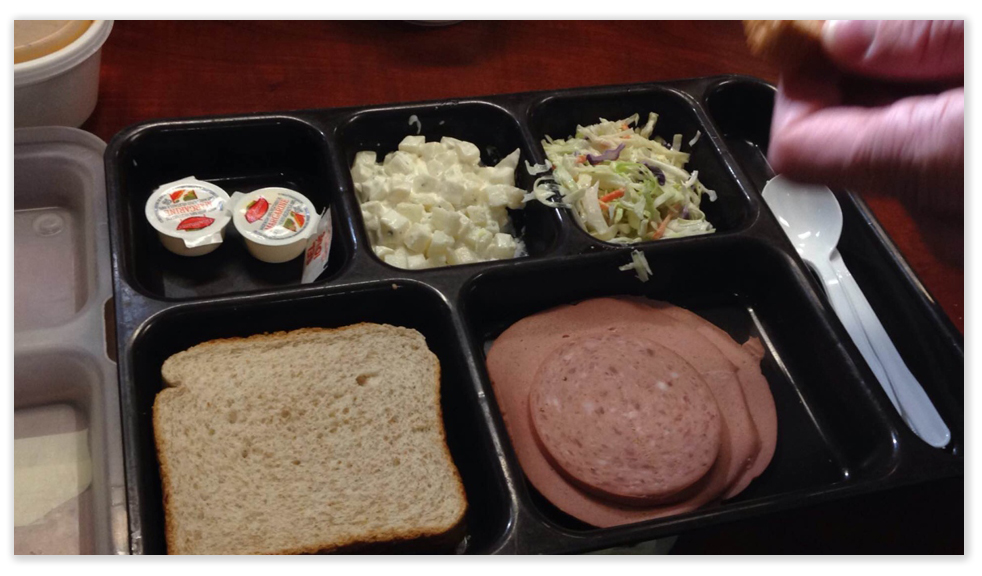
 Worrisome Stuff: In response to a May 1, 2026, BOP request for information from vendors about interest in outsourcing food service, commissary, and health care across all 122 BOP institutions nationwide, the Center for Science in the Public Interest and the Carceral Nutrition Project wrote to Congress last week urging that any privatization plan be abandoned.
“Outsourcing BOP food and canteen services to a private company will not make incarcerated people healthy again,” said CNP founder Daniel Rosen, contributor to a recent CSPI report on prison food privatization, wrote. “It won’t create healthy prisons, or healthy communities, as RFK, Jr., has promised. It’s a corporate giveaway, and it prioritizes profit at the expense of people’s health and public safety.”
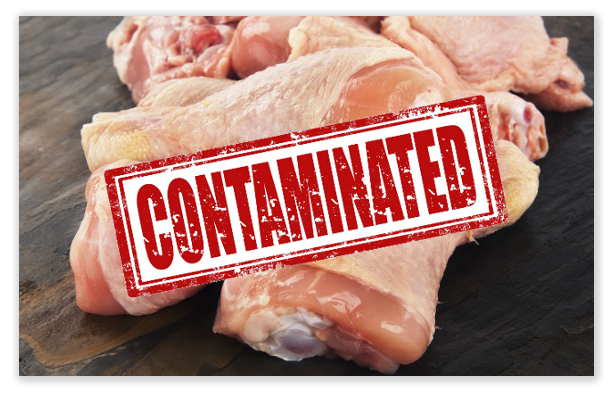
CSPI and CNP told Congress that, while a number of states have calculated that privatizing carceral food service would save on costs, the report found evidence that outsourcing food service has resulted in inadequate nutrition and portion sizes, inconsistent food safety practices, unpalatable meals due to over- or under-cooking, and spoiled, contaminated, or maggot-ridden food.
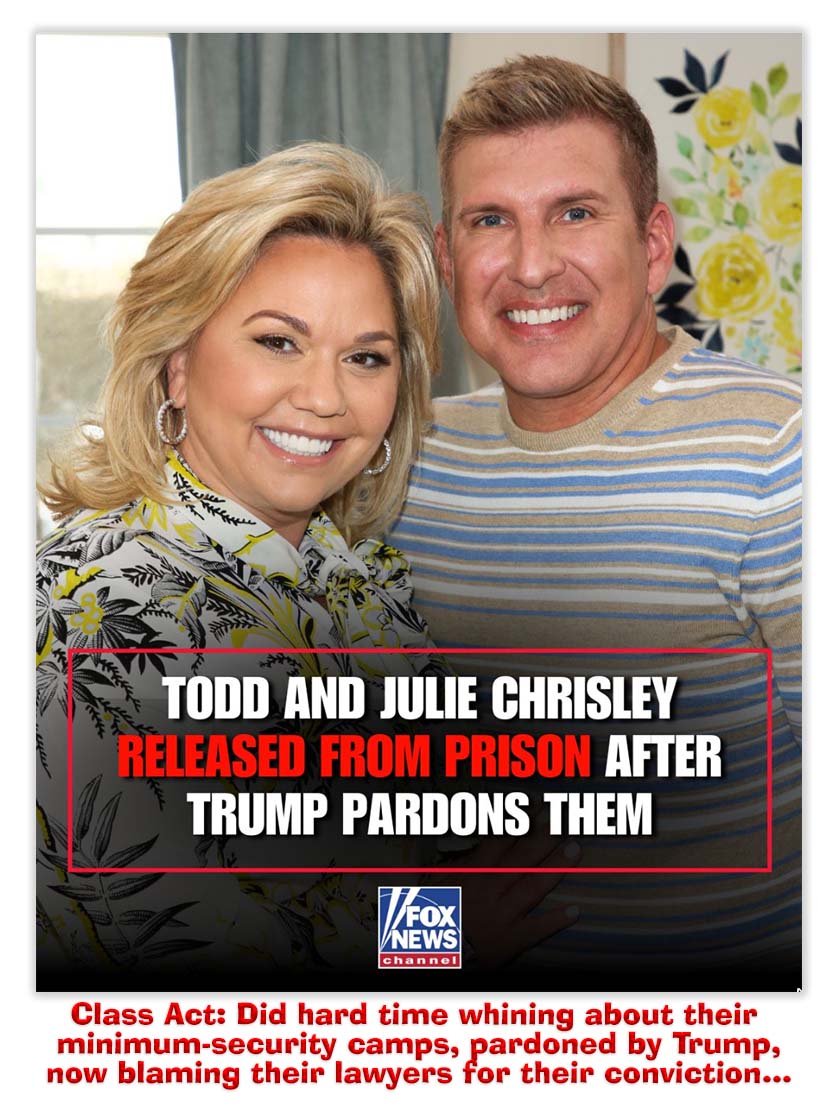
Silly Stuff: Serial whiners and former reality stars Todd and Julie Chrisley have filed a lawsuit accusing one of their former defense attorneys and his law firm of legal malpractice in the federal criminal case that led to their convictions.
The Chrisleys were convicted of defrauding community banks in the Atlanta area to obtain more than $36 million in personal loans by submitting false bank statements, audit reports, and personal financial statements. They contend that legal mistakes made during the case contributed to their convictions, caused them to spend time in prison, damaged their reputations and separated them from their family.
The complaint alleges that their lawyer lacked significant criminal defense experience and that the firm knew this but pursued the representation because of the publicity associated with the family’s celebrity status (which the family itself pursues on a daily basis).
 The federal criminal tax and bank fraud investigation against the couple was based on an unlawful, warrantless search by the Georgia Department of Revenue, the lawsuit contends. The judge granted a defense request to suppress the physical documents from that search, but defense counsel didn’t ask the court to suppress “derivative evidence,” including emails, bank records and financial documents that “formed the core of the government’s case,” the lawsuit says. Federal agents got search warrants to obtain specific documents from the Chrisleys’ email accounts, the lawsuit says, based on that tainted GDR evidence, the lawsuit alleges.
“Without that evidence, the government would not have had sufficient evidence to support a conviction,” the lawsuit says.
Todd Chrisley, who whined endlessly while he was locked up about the suffering he endured at minimum-security FPC Pensacola, now brags that he “ran” his “prison block” and got up every day with the “sole intent… to make the prison employees feel miserable,” according to Reality Tea:
Todd, who vowed to help improve the “evil” prison system following his release, said that his “sole intent” while behind bars was to make the prison employees feel miserable. As if their jobs weren’t already difficult and underpaid, Todd said he wanted to make things worse. He’s truly a class act, said no one.
“I was surrounded by miserable human beings,” Todd told his daughter on her podcast. And if he had a mirror, he could have found another one.
President Trump pardoned both Chrisleys in May 2025. But contrary to how the media portray it, courts don’t like suppressing evidence because, as the Supremes said in United States v. Nixon, “Whatever their origins . . . exceptions to the demand for every man’s evidence are not lightly created nor expansively construed, for they are in derogation of the search for truth.”
Because the plastic couple never had their convictions overturned, the Chrisleys may face a real challenge in proving that – but for the malpractice – they would have been acquitted.
Washington Examiner, Judge blocks transfer of transgender inmates back to men’s prisons, setting the stage for broader judicial clash (June 12, 2026)
WZDX-TV, Corrections officer already facing felony charges named in new federal lawsuit (June 9, 2026)
CSPI, Letter to House and Senate Judiciary Committees (June 9, 2026)
WAGA-TV, Chrisleys sue former attorney over criminal case defense (June 9, 2026)
Insurance Journal, Chrisleys Sue Former Defense Attorney, Alleging Malpractice in Conviction (June 15, 2023)
Reality Tea, Todd Chrisley Boasts About Prison Stay: ‘I Ran My Block’ (August 15, 2025)
United States v. Nixon, 418 U.S. 683 (1974)
~ Thomas L. Root