
We post news and comment on federal criminal justice issues, focused primarily on trial and post-conviction matters, legislative initiatives, and sentencing issues.

SEX, LIES AND LOUSY VIDEOTAPE
Sexual abuse complaints against Bureau of Prisons staff and inmates remain largely unresolved because of BOP investigative deficiencies, the Government Accountability Office found in a report issued last week.
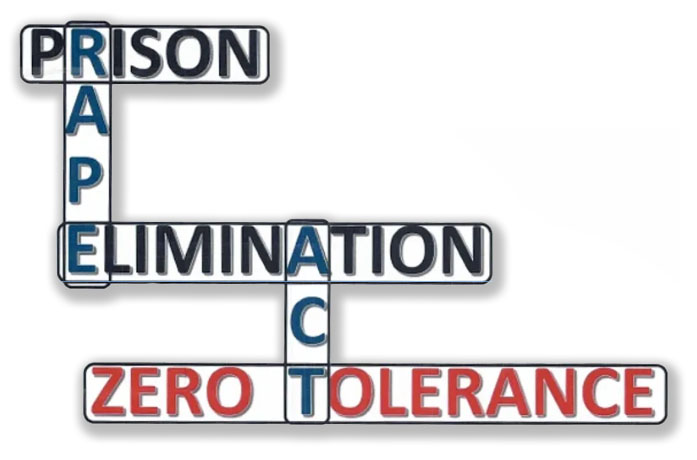
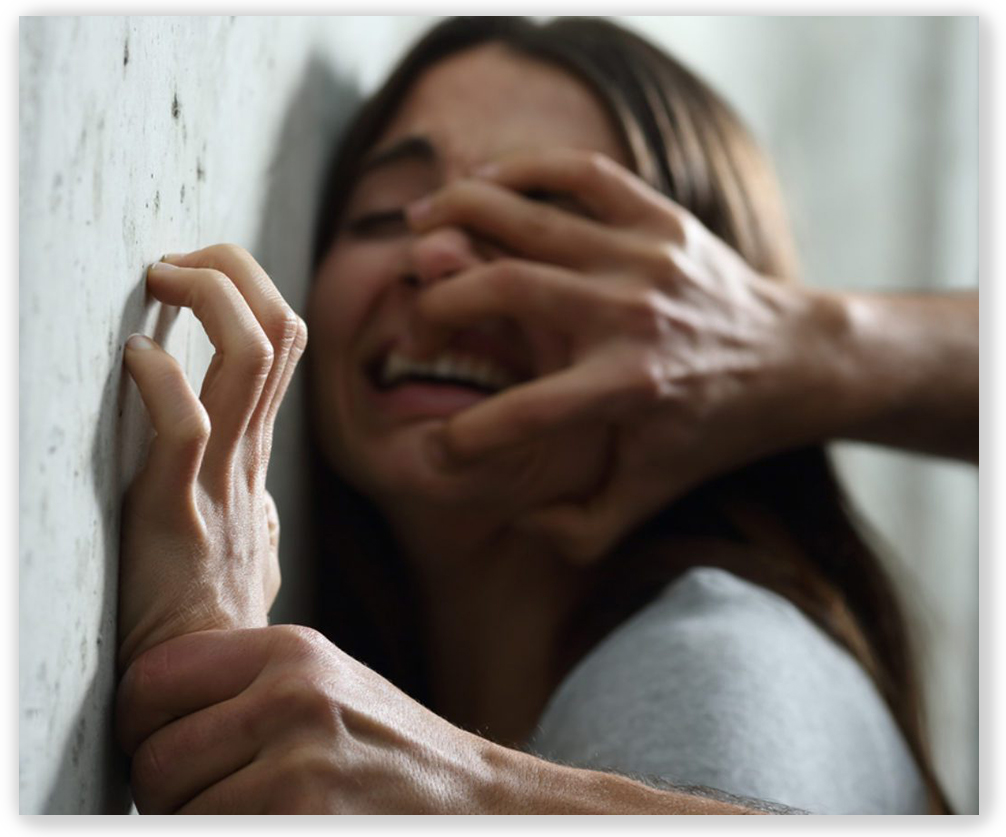 Allegations of rape and sexual misconduct against BOP employees and inmates have spiked in recent years, with 2,956 Prison Rape Elimination Act complaints from 2020 through 2024 with the inmate as the perpetrator and 3,029 complaints naming a BOP staffer as the perp. The GAO found that the Bureau is in many ways failing to implement v “in the way Congress intended,” Government Executive reported.
From 2014 through 2022 (the period studied), investigations of 77% of staff-on-inmate complaints were inconclusive. Only 9% of those were substantiated by BOP. The staff suspect was cleared in just six cases, or about 1/10 of 1%.
A similar trend emerged from sexual abuse allegedly committed by incarcerated individuals, with 81% of those cases reaching inconclusive findings.
BOP correctional officers faced around 3,000 allegations of sexual abuse from 2020 through 2024, a doubling from prior years. From 2014 through 2022, BOP averaged 433 allegations against its staff per year. In 2023 and 2024, that spiked to 857 per year.
The champion facility, unsurprisingly, was the now-closed FCI Dublin, with 260 complaints from 2020 through 2024. Next highest were USP Lee (94), USP Thomson (88) and USP Canaan (79). At the other end, Mendota, Lompoc and Victorville each had only one complaint during the 5-year period.
BOP employee misconduct complaints proceed through the system at a snail’s pace, the GAO found. BOP’s Office of Internal Affairs had 12,153 open employee misconduct allegations last year (although most were not PREA complaints). Over a third of the cases had been open for at least three years.
 “The number of abuse allegations may seem startling,” GAO said in a companion blog. “But they only show the reported sexual abuses. Some abuse may be going unreported. We spoke with incarcerated people about obstacles they’ve encountered when trying to report sexual abuse allegations… Some people told us they were unaware of options that do not require reporting abuse directly to a prison employee. Some people told us they feared retaliation from prison employees. There was also fear of being stigmatized by fellow incarcerated people. Because of the lack of privacy in prisons, it’s often difficult to report abuse without others finding out.”
Under BOP Director William K. Marshall III, the BOP has increased OIA resources over the last year to address the backlog, including by sending teams of investigators to focus on facilities with particularly large caseloads. Still, the GAO reported that BOP employees complained of insufficient staffing to respond to PREA complaints. The One Big Beautiful Bill Act (HR 1), passed last summer, included $3 billion for BOP staffing, but a year ago, DOJ “abruptly canceled” an estimated $16 million in funding, “decimating” infrastructure intended to help prisons comply with PREA, according to a Brennan Center report.
 GAO reported that some enforcement problems lie with clever abusers. Perpetrators lie. Others deceive. The video evidence stinks. “Most of the corrections officers with whom GAO spoke said abusers know where they can go to evade cameras, and some said the video quality is poor or not retained for a sufficient amount of time,” Government Executive reported. “Employees also said investigations against staff can take time, often years, to complete. Corrections officers told GAO that false allegations of sexual abuse are prevalent and waste resources and tarnish the credibility of those reporting real incidents. Incarcerated individuals told the auditors that their fellow inmates make false accusations against prison staff as a form of retribution.”
PREA sought to establish a “zero-tolerance policy” for rape in U.S. prisons while tasking the Justice Department with instituting national standards for preventing, investigating and tracking such incidents. GAO noted sexual abuse “remains a significant problem” in federal prisons despite some progress under the law.
GAO, Federal Prisons: Improvements Needed to Prevent, Detect, and Address Sexual Abuse (May 5, 2026)
Brennan Center, Federal Funding Cuts Target Efforts to Reduce Sexual Abuse in Prisons (January 26, 2026)
GAO Watchblog, The Heinous Crimes Haunting Federal Prisons—Rape and Sexual Abuse (May 6, 2026)
Government Executive, More than 3-in-4 allegations of sexual assault against federal prison staff are going unresolved (May 6, 2026)
~ Thomas L. Root